
Cincinnati residential HVAC design backed by deep local experience
HVAC 2 Home Performance® provides independent residential HVAC design, building-performance evaluation, testing, commissioning, and verification for Cincinnati, Ohio. Existing homes and renovations need equipment and ducts designed for humid summer cooling, cold-weather heating, and the building conditions that may have changed since the last system was selected.
Better HVAC starts with understanding the home.
Cincinnati homes ask HVAC systems to handle humid summers, cold winter design days, wide shoulder-season swings, and buildings that span many eras. As a result, comfort problems rarely come down to equipment alone. Air leakage, insulation, framing, solar gain, ducts, basements, additions, and room-by-room loads all influence performance.
We start with the building, the symptoms, and the decisions ahead. Then, our conversational project assistant can guide homeowners, engineers, architects, builders, and contractors toward the right design, diagnostic, or Verified™ pathway.
 Cincinnati Roots. Verified™ Results.
Deep local knowledge connected to design, diagnostics, installation accountability, and measured performance.
Cincinnati Roots. Verified™ Results.
Deep local knowledge connected to design, diagnostics, installation accountability, and measured performance.
Local work across existing buildings, renovations, and electrification
HVAC 2 Home Performance® serves projects nationally and has documented Cincinnati-area work involving whole-building evaluation, load calculations, heat-pump planning, major renovation, and field coordination.
See a Cincinnati mixed-use, all-electric major renovation and the Salam Hills gut-rehab heat-pump case study. These projects show why the building, the design, and the field work must remain connected.
A strong network of local Verified™ contracting and testing partners
In fact, Cincinnati is one of the most mature and robust markets in our partner network. Specifically, a project can move from remote design and planning toward coordinated local diagnostics, installation, or verification when the scope calls for it and a suitable partner is available.
Design direction
We define loads, airflow, equipment intent, duct requirements, and the decisions that should be settled before installation.
Local field capability
For example, independent local contracting and testing partners may support site-specific diagnostics, installation, commissioning, or verification.
Measured accountability
Meanwhile, Verified™ pathways create checkpoints between what was modeled, what was installed, and how the completed system performs.
Local partners are independent businesses. However, availability, scope, scheduling, pricing, and final participation must be confirmed for each project; partner references are not guarantees of service in every ZIP code.
Common Cincinnati comfort and HVAC challenges
A new system can repeat an old problem when the house has not been evaluated. Therefore, we look for the conditions that shape comfort and energy use before assuming that equipment capacity is the answer.
- Hot or cold second floors and rooms that never match the thermostat
- Oversized equipment that short-cycles during humid weather
- Undersized, restrictive, disconnected, or poorly balanced duct systems
- Basement, crawlspace, attic, and rim-joist leakage that changes the load
- Older homes with additions, renovations, or mixed construction assemblies
- High winter bills, summer humidity, noise, drafts, or uneven airflow
- Heat-pump questions involving capacity, backup heat, or electrical planning
- Indoor-air-quality concerns tied to filtration, ventilation, or moisture
Residential HVAC system design for Cincinnati homes
Our residential design work can connect room-by-room load calculations, equipment selection, airflow, ducts, ventilation, filtration, humidity strategy, and controls. Ultimately, the goal is not simply to produce a report. It is to give the homeowner and contractor a clear design target.
A proper Manual J load calculation uses the home’s geometry and assemblies rather than replacing a system by its existing nameplate. Manual S equipment selection and Manual D duct design then translate the loads into an installable plan. These methods align with nationally recognized ACCA technical manuals.
- Room-by-room heating and cooling loads
- Equipment capacity and operating considerations
- Airflow targets and duct-system intent
- Ventilation, filtration, humidity, and control coordination
Design Verified™ provides an independent checkpoint before installation decisions become expensive to change.
Home performance and permanent load reduction
For example, air sealing, insulation, window strategy, shading, and duct improvements can permanently change what the HVAC system must handle. Consequently, in some homes, modeling these measures first may support smaller equipment, better humidity control, longer runtimes, and more even temperatures.
Our Permanent Load Reduction Verified™ pathway documents the modeled improvement plan, then connects recommended measures to the later HVAC decision. It keeps enclosure work and mechanical design on the same page.
Diagnostics that turn symptoms into decisions
In practice, existing-home projects often begin with incomplete information. A useful investigation may consider operating behavior, equipment data, room airflow, static pressure, duct leakage, blower-door testing, infrared observations, humidity, or other measurements appropriate to the scope.
Remote design can organize the project, while an available local partner may gather field data. Testing and commissioning are defined before work begins; no site visit or test is automatically included.
Heat-pump design for Cincinnati summer cooling and winter heating
For example, modern heat pumps can be an excellent option, but the correct solution depends on the home and the project goals. Therefore, Cincinnati design work should evaluate heating capacity at winter conditions, cooling and moisture performance in summer, equipment modulation, auxiliary heat, duct capability, electrical requirements, and the benefits of possible load-reduction measures.
Consequently, that planning is especially valuable for fuel-switching projects, dual-fuel comparisons, major renovations, additions, and high-performance homes. Instead of treating electrification as an equipment swap, we help connect it to the building, the electrical system, comfort expectations, and the installation plan.
The HVAC 2 Home Performance Verified™ pathways
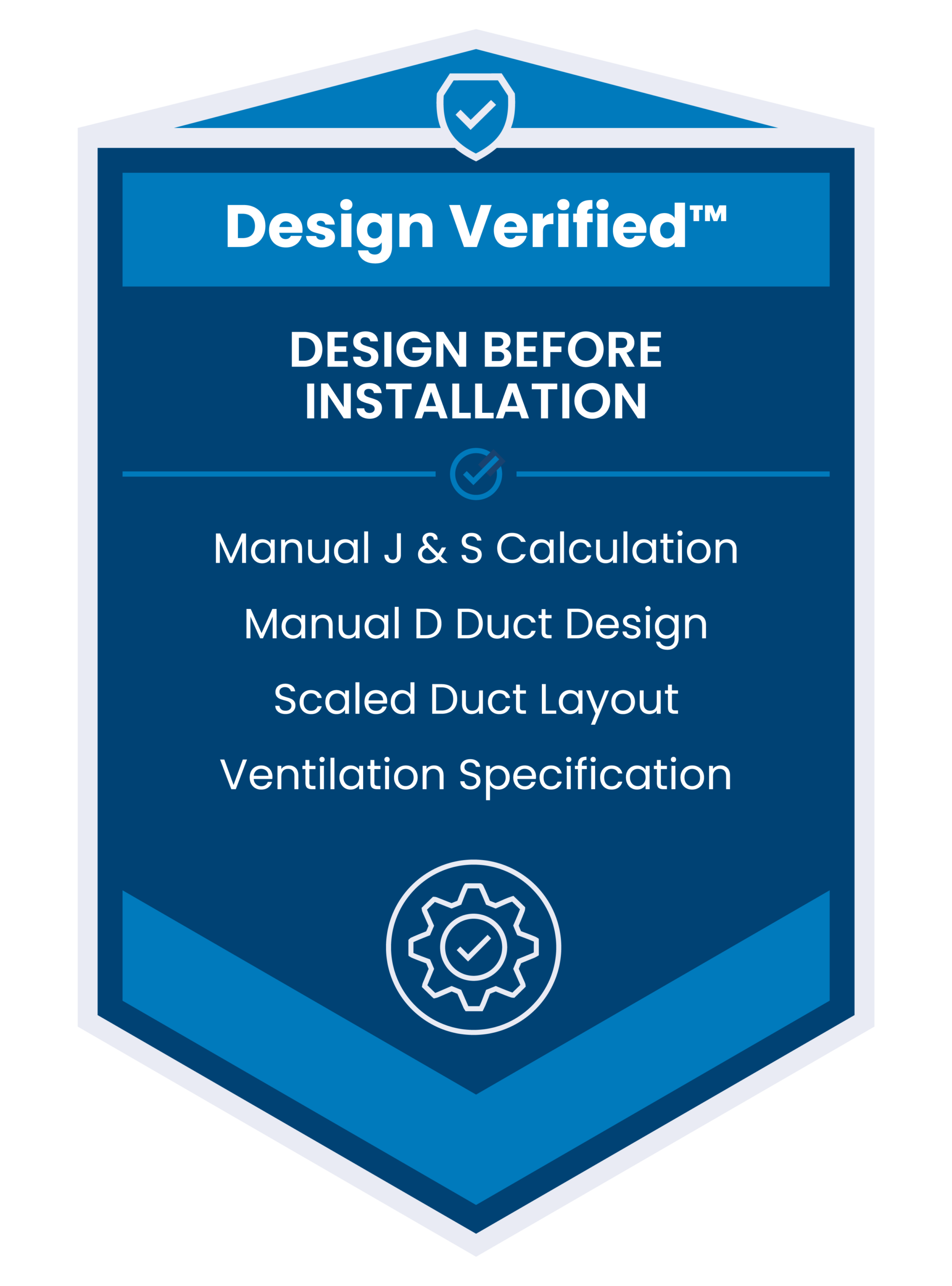
Design Verified™
Independent review of the system design before installation.
Installed Per Design Verified™
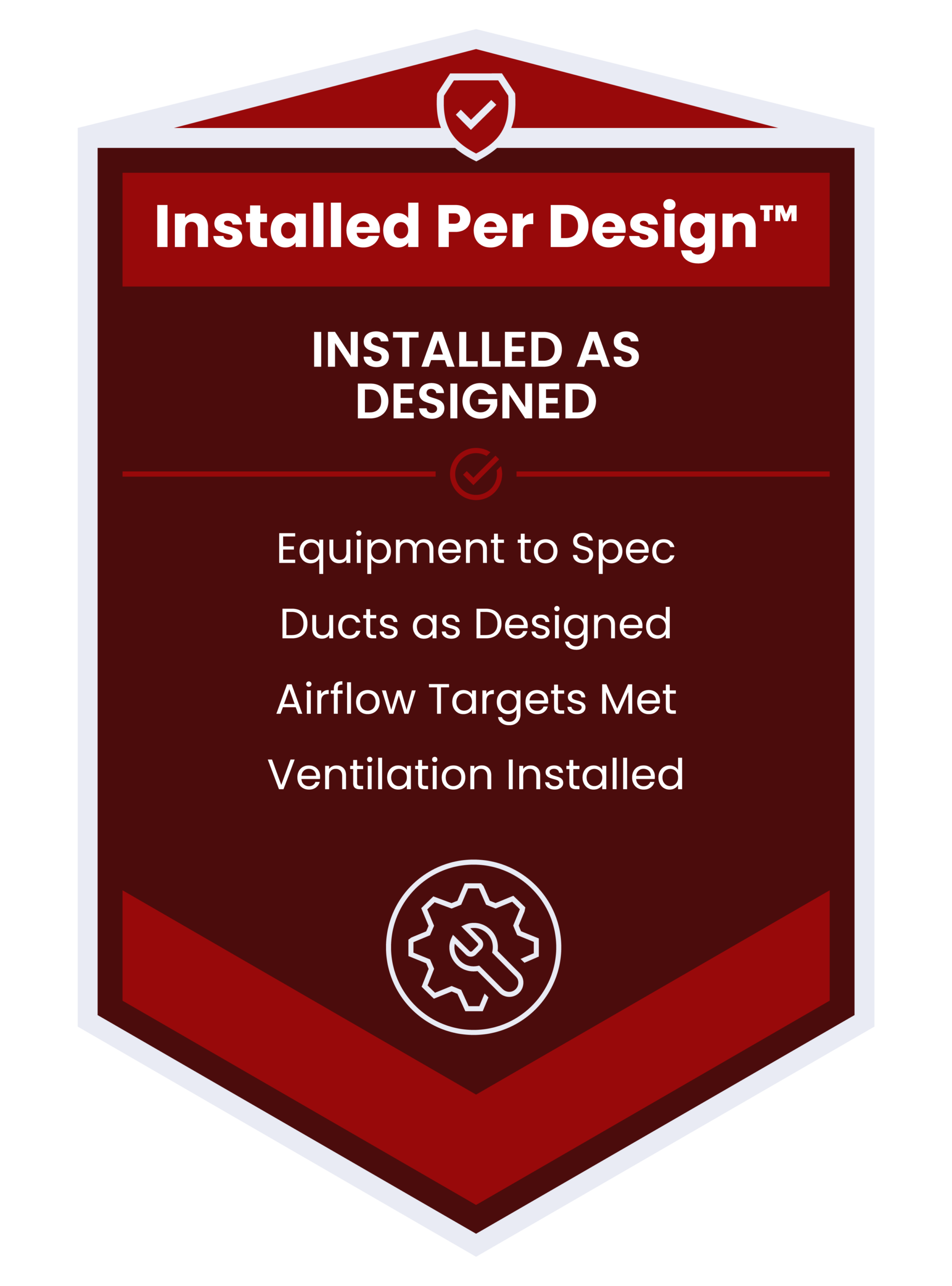
Documentation that important installation details align with the approved design intent. Explore this pathway.
Performance Verified™
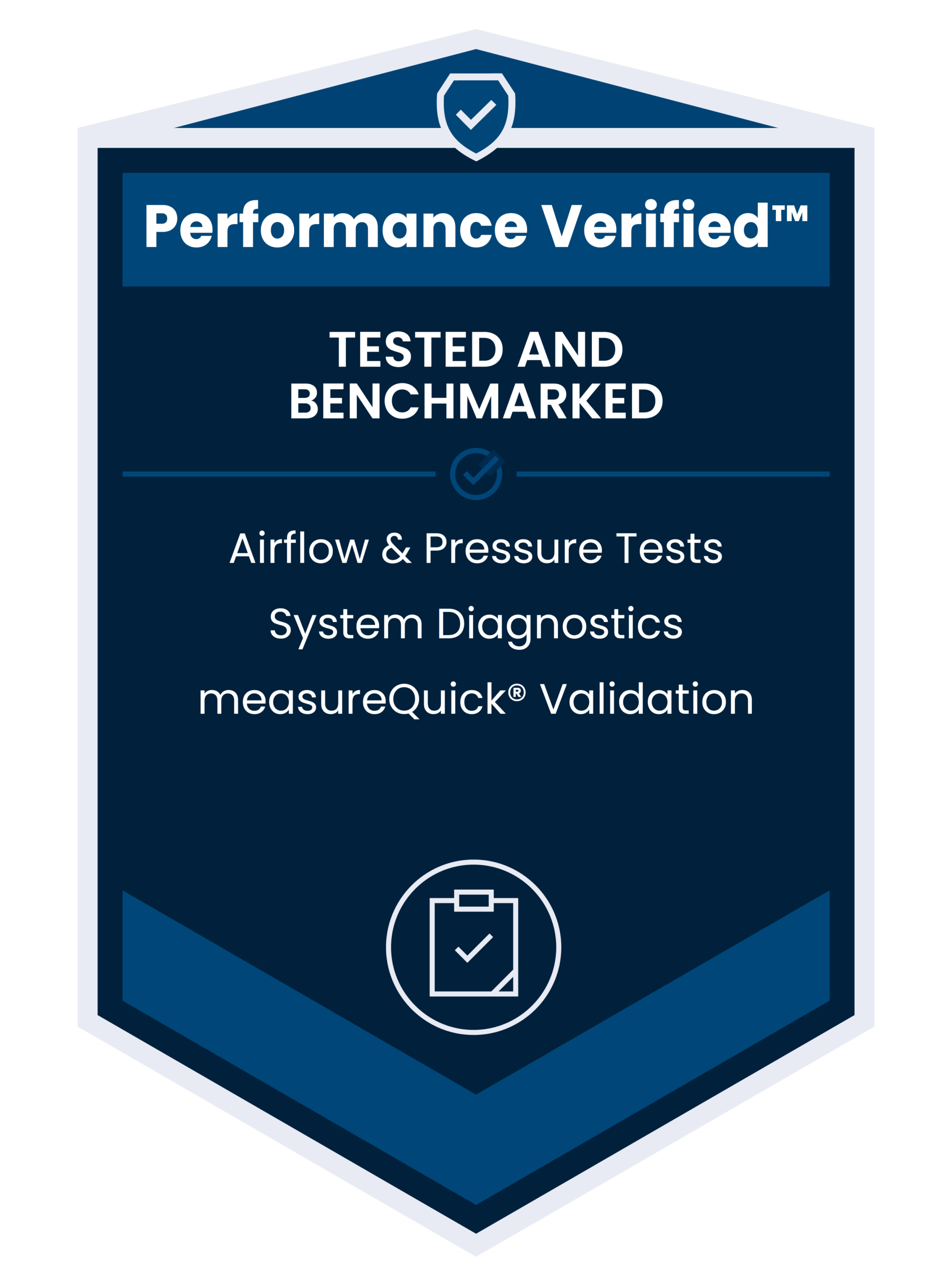
Measured post-installation checks for the agreed performance criteria. See Performance Verified™.
Permanent Load Reduction Verified™
Model and document enclosure improvements that can permanently reduce heating and cooling demand. Review the load-reduction pathway.
Proudly serving Cincinnati and Southwest Ohio
Likewise, we support Cincinnati-area projects through national design expertise and, when appropriate, coordinated local Verified™ contracting and testing partners. For example, representative communities include Cincinnati, Blue Ash, Mason, West Chester, Loveland, Milford, Montgomery, Anderson Township, Fairfield, Hamilton, and nearby Northern Kentucky communities.
However, this list describes the regional focus; it does not promise on-site service in every community. Start in chat or call 513-655-2697 so we can confirm the right remote and local resources for your address and project.
See how our nationwide services and local Verified™ partner markets work together.
Frequently asked questions
Does HVAC 2 Home Performance only serve Cincinnati and the listed local markets?
No. Instead, we provide design and consulting capabilities nationally. Cincinnati is an established local partner market where additional field coordination may be available.
Do you have a current office in Cincinnati?
This page describes Cincinnati project experience and a local partner network; it does not represent a claim of a current Cincinnati office or headquarters.
Can you replace my HVAC contractor?
Accordingly, we can provide independent design, planning, review, and verification. Local installation and testing may be performed by qualified independent partners, with project roles confirmed in advance.
Can you help with an existing home that has comfort problems?
Yes. First, we begin with the symptoms and available data, then recommend an appropriate design or diagnostic scope. Field measurements may be coordinated when a suitable local partner is available.
Should I improve the house before selecting new equipment?
For example, if air sealing, insulation, or duct improvements could permanently reduce the load, modeling those measures before equipment selection may change the capacity and design decision.
Can the chatbot help builders, architects, engineers, and contractors too?
Yes. Moreover, the conversational project assistant has guided pathways for homeowners and industry professionals, helping identify the project type, key decisions, and best next step.
HVAC & Home Performance Resources for Cincinnati Homeowners and Building Professionals
These locally focused articles are being developed for the main Learning Corner. Links will be added here after publication.
Cincinnati HVAC Design Has a Split Personality: Hot, Humid Summers and Real Winter Heating Loads
How one design must address summer moisture and cooling performance while protecting cold-weather heating capacity and airflow.
Article in developmentBefore You Replace Your HVAC System in Cincinnati, Find Out What Changed About the House
Why additions, windows, insulation, air sealing, duct work, and other enclosure upgrades should be evaluated before replacement equipment is sized.
Article in developmentInterested in becoming a local Verified™ contractor?
If you’d like to learn more about being a Verified™ contractor in your area, click below. On the contact form, choose “Verified™ Contractor Training” as your project type.
Learn about Verified™ contractor trainingStart your Cincinnati project in our conversational chatbot
First, describe the home, your role, the symptoms, and the decision you are facing. From there, the assistant can guide you through a logical project pathway and help move the conversation toward the right service.


